Song
Public
Sources
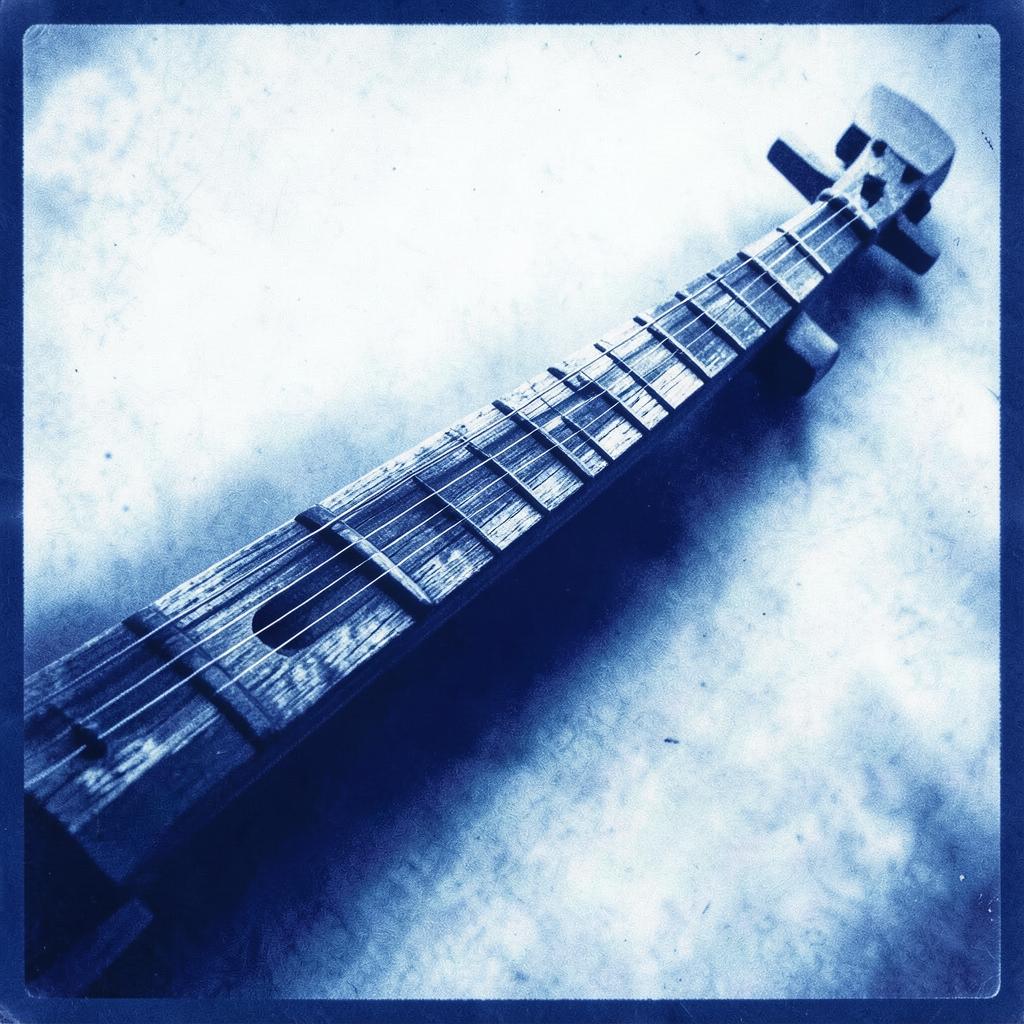
Bittersweet Resolve
Instrumental flamenco-shamisen fusion with emotional storytelling. Shamisen takes the role of flamenco guitar: expressive melodic runs
Lyrics
[INSTRUMENTAL ONLY — NO VOCALS] [EMOTIONAL ARC: YEARNING → TENSION → PASSION → CATHARSIS → BITTERSWEET RESOLVE] [INTRO] [Begin alone and intimate.] [One fragile shamisen melody, simple and memorable.] [Play with restrained emotion, slight hesitation and expressive bends.] [Allow notes to decay fully.] [Long breaths of silence between phrases.] [Soft distant heel stomps gradually establish the pulse.] [Quiet castanets answer the ends of selected phrases.] [SECTION A — YEARNING] [Dry cajón enters gently with restrained flamenco compás.] [Palmas remain sparse and soft.] [Shamisen develops the opening motif with delicate tremolo and aching melodic ornamentation.] [Prioritize melody and feeling over technique.] [Upright bass enters with occasional warm sustained low notes.] [Leave empty space around important notes.] [Make the shamisen sound as though it is trying to say something it cannot quite finish.] [BUILD — RESTLESSNESS] [Gradually strengthen the flamenco pulse.] [Castanets become more active and precise.] [Palmas answer the rhythm.] [Introduce deeper taiko strikes beneath emotionally important moments.] [Taiko remains sparse and powerful.] [Shamisen phrases become longer and more urgent.] [Alternate restrained melody with brief rasgueado-style explosions.] [Use rising phrases that stop before fully resolving.] [Let silence create tension.] [BREAK] [Hard stop.] [Silence.] [One exposed shamisen phrase.] [Let the final note hang.] [Single castanet response.] [Deep taiko strike.] [Pause.] [SECTION B — PASSION] [Return with stronger flamenco compás.] [Cajón, palmas, heel stomps and castanets carry the rhythmic intensity.] [Shamisen becomes passionate and increasingly virtuosic while remaining melodic.] [Use expressive bends, tremolo, sharp attacks and short fast runs.] [Each technical flourish must return to the central emotional melody.] [Taiko adds deep dramatic punctuation beneath major transitions.] [Do not fill every space.] [CALL AND RESPONSE] [Shamisen states an emotional phrase.] [Castanets and palmas answer.] [Shamisen replies with a more intense variation.] [Taiko answers with one deep strike.] [Repeat with increasing emotional pressure.] [Build through variation rather than simply adding notes.] [PERCUSSION INTERLUDE] [Shamisen drops out.] [Cajón, palmas, heel stomps and castanets continue the flamenco compás.] [Taiko slowly joins beneath them.] [Begin restrained.] [Gradually increase weight and intensity.] [Create the feeling of something approaching.] [Leave short pockets of silence between major taiko strikes.] [SHAMISEN SOLO — CONFESSION] [Percussion drops back.] [Shamisen returns nearly alone.] [Begin slow, exposed and deeply expressive.] [Use bending notes, trembling sustain and delicate tremolo.] [Gradually transform the opening motif into something more desperate and passionate.] [Introduce short technical bursts only when emotion peaks.] [Fast runs should feel like emotional overflow, not showing off.] [After every intense flourish, leave silence.] [CLIMAX — CATHARSIS] [Full flamenco rhythm returns.] [Strong cajón.] [Precise castanets.] [Passionate palmas and heel stomps.] [Powerful but spacious taiko impacts.] [Deep upright bass anchors the floor.] [Shamisen performs the main motif at maximum emotional intensity.] [Combine soaring melody, tremolo, bends and controlled rasgueado bursts.] [Allow one final virtuosic rise.] [Reach emotional release rather than maximum speed.] [Keep every instrument distinct.] [No wall of strings.] [AFTERMATH] [Percussion suddenly falls away.] [Leave only shamisen and a faint low bass note.] [Return to the opening melody, slower and more fragile.] [The melody is recognizable but subtly changed by everything that came before.] [Soft castanets answer once.] [Long silence.] [OUTRO — BITTERSWEET RESOLVE] [Play the opening motif one final time.] [Do not make it completely triumphant.] [Allow warmth and sadness to coexist.] [One gentle rasgueado flourish.] [Single deep taiko strike.] [Final shamisen note rings alone.] [Let it decay naturally.]